News on mastitis, the breast microbiome and antibiotic resistance
Articles and updates from the Mastitia team.
Mastitis
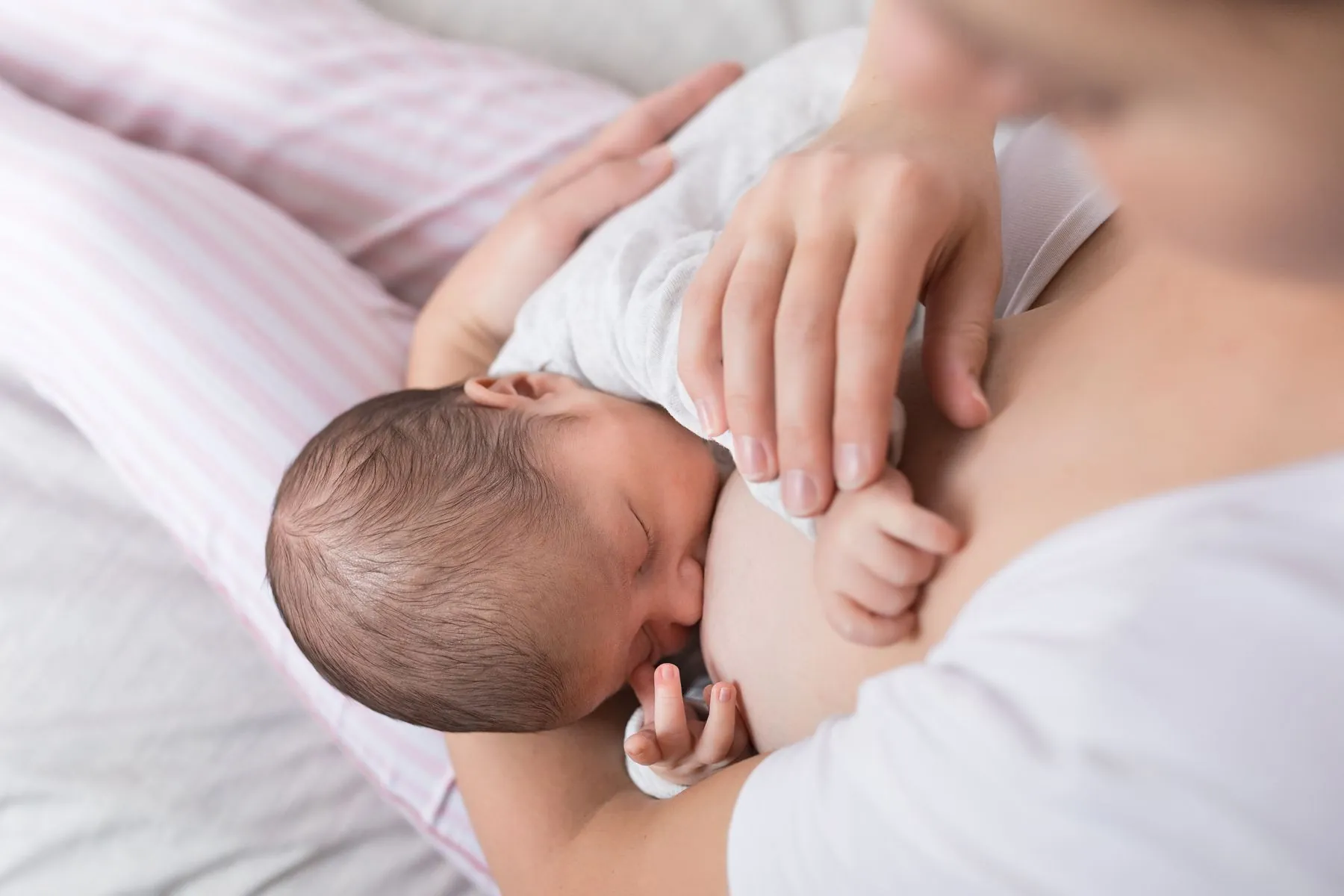
Lactational mastitis: common, painful - and overdue for prevention
November 2026 · 4 min read · Mastitia team
Breastfeeding is one of the best starts in life a mother can give her baby. Yet for many women, the first weeks and months are interrupted by a painful and often recurring condition: lactational mastitis.
What is lactational mastitis?
Lactational mastitis is an inflammation of the breast that occurs while breastfeeding. It usually affects one breast, which becomes red, tender, swollen and warm, and it often comes with fever, chills and flu-like symptoms. It is most common in the first weeks after birth, but can occur at any time during breastfeeding.
How common is it?
Mastitis is far more common than many expect. Around one in four breastfeeding women are affected1, and for many it comes back: recurrence rates of up to 57% have been reported1,5. The impact goes beyond the pain itself. Up to 38% of affected mothers stop breastfeeding earlier than recommended4, losing benefits for both mother and baby.
Why antibiotics are not the whole answer
Today, mastitis is usually treated rather than prevented, and treatment most often means antibiotics: up to 97% of cases are treated this way2. Antibiotics can be essential, but they can also pass to the baby through breast milk3, at a time when the infant's own microbiome is still developing. And every course of antibiotics adds to the global challenge of antimicrobial resistance.
Towards prevention
The skin of the breast has its own natural microbiome, which works together with the skin barrier as a first line of defence. Mastitia's approach is to support and strengthen that natural breast microbiome, using beneficial bacteria isolated from healthy women, so that fewer mothers develop mastitis in the first place.
Sources
Wilson E. et al., J. Hum. Lact. 2020;36(4):673-686
Antimicrobial resistance: why mastitis care needs new tools
November 2026 · 4 min read · Mastitia team
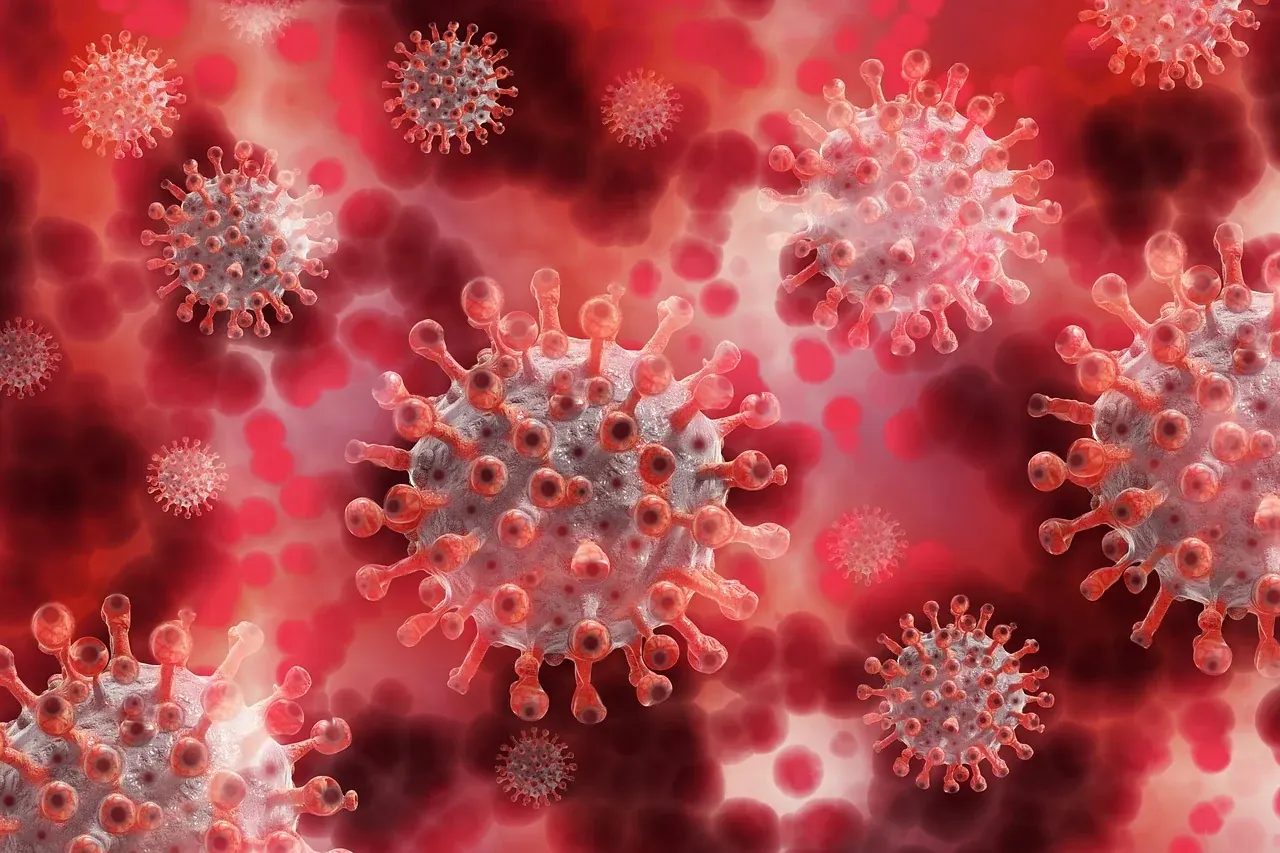
Antibiotics are among the most important medicines ever developed. But the more they are used, the more bacteria adapt to survive them. This is antimicrobial resistance (AMR), and it is one of the most pressing health challenges of our time.
A growing global threat
In 2019, an estimated 1.27 million deaths worldwide were directly attributable to bacterial antimicrobial resistance1. Without action, AMR has been projected to cause up to 10 million deaths a year by 20502. Every unnecessary course of antibiotics adds to the pressure.
Where mastitis fits in
Lactational mastitis affects around one in four breastfeeding women3, and up to 97% of cases are treated with antibiotics4. Because the condition is so common, it accounts for a considerable volume of antibiotic use in otherwise healthy young mothers - and the antibiotics can reach the baby through breast milk.
One health: mothers and dairy herds
The same pattern is seen in animals. In dairy cows, mastitis is the most common reason for antibiotic use: on some farms it accounts for around 80% of antimicrobial use5. Antibiotic use in people and in animals feeds into the same resistance problem, which is why AMR is described as a 'one health' challenge.
Prevention is the most sustainable antibiotic strategy
The surest way to reduce antibiotic use is to need fewer antibiotics in the first place. That is the idea behind Mastitia: a non-antibiotic approach that supports the body's own natural breast microbiome, aiming to prevent mastitis before treatment is needed - and without driving resistance.
Sources
Murray C.J.L. et al. (Antimicrobial Resistance Collaborators), Lancet 2022;399:629-655
O'Neill J., Review on Antimicrobial Resistance, 2016
Wilson E. et al., J. Hum. Lact. 2020;36(4):673-686
Kvist L.J. et al., 2008
Pol M. & Ruegg P.L., J. Dairy Sci. 2007;90:249-261
Our journey: from more than 3,000 women to Mastitia
November 2026 · 3 min read · Mastitia team
Mastitia started with a simple question: if healthy women carry beneficial bacteria that help keep their bodies in balance, could those bacteria help protect breastfeeding mothers from mastitis?
Rooted in world-class science
The answer began at the University of Antwerp, where Prof. Sarah Lebeer and her team have spent years pioneering research into the female microbiome. Through a large citizen-science cohort, more than 3,000 healthy women contributed microbiome samples, and the team cultured around 3,000 bacterial strains into a unique library.
From that library, strains were carefully screened for safety, manufacturability and their ability to support a healthy breast microbiome - narrowing thousands of candidates down to the optimal strains for mastitis prevention.
Becoming Mastitia
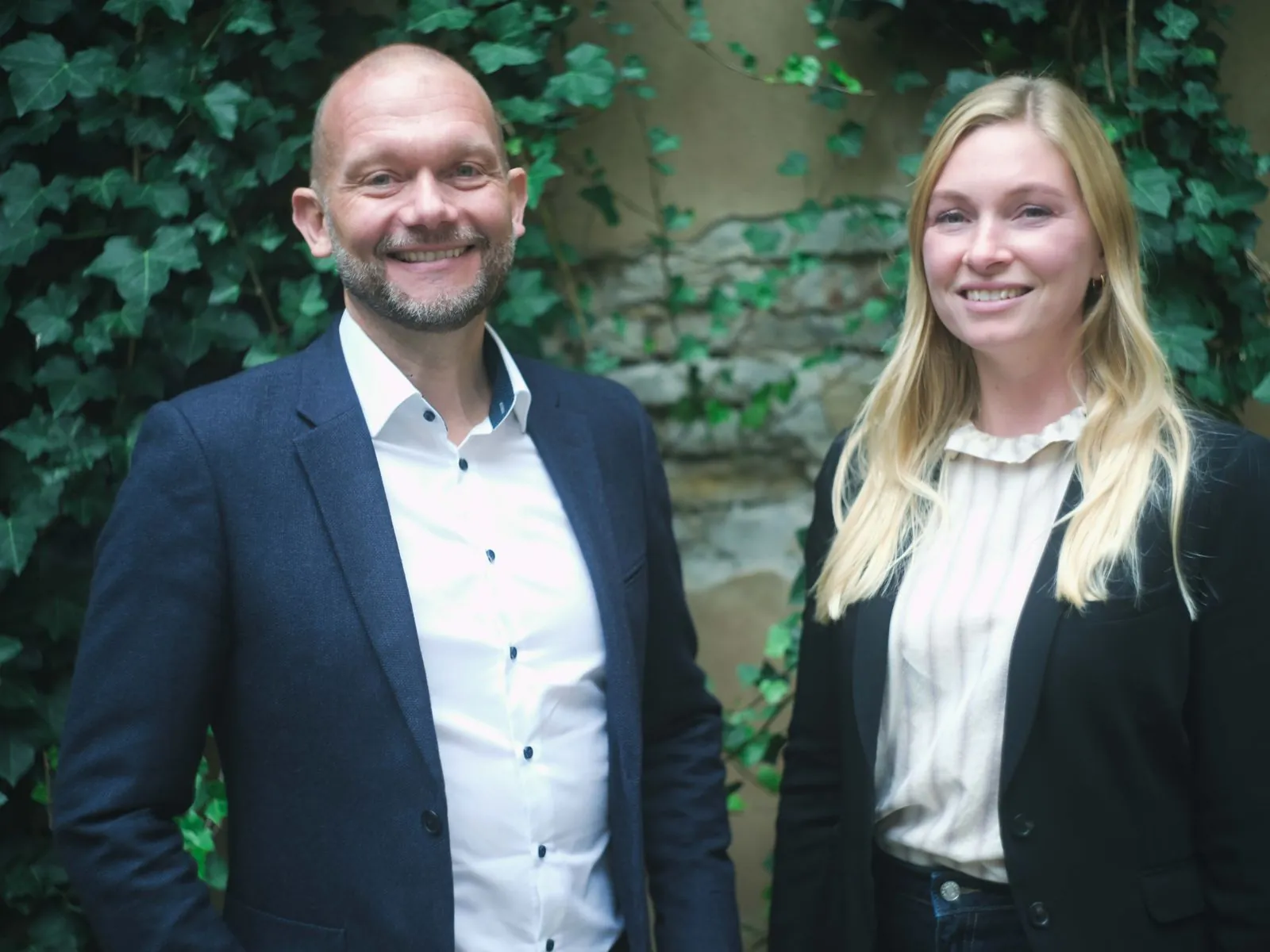
In 2025, Daniel Hovel Hansen and Emilie Glad Bak founded Mastitia as a spin-out of the University of Antwerp, based in Denmark. Daniel brings a background in women's health innovation from companies including Novonesis, Chr. Hansen and Probi; Emilie is a microbiome scientist with experience from Novonesis and SNIPR Biome.
The technology is protected by a patent family granted in the US and Japan, and it is now production-ready.
Why we do this
Mastitis is painful, common and one of the main reasons mothers stop breastfeeding earlier than they planned. Today it is usually treated with antibiotics rather than prevented. We believe mothers deserve a natural, antibiotic-free way to protect breastfeeding - and that the same science can help reduce antibiotic use more widely, including in dairy herds.
We are grateful to the researchers, clinicians and partners who have supported us so far, and we look forward to sharing more as the journey continues.